A home doesn’t need a sprawling backyard, a sunroom, or even a balcony to enjoy the beauty of nature. Sometimes, the most charming gardens grow in the smallest and most unexpected places.
An empty windowsill can become a miniature herb garden. An overlooked corner can turn into a lush green retreat. Even a narrow wall can accommodate a beautiful vertical garden that brings life into an otherwise ordinary room.
The secret to gardening in a small home isn’t finding more floor space. It’s discovering the gardening opportunities hidden in the space you already have.
Whether you live in a compact apartment, a rental home, a studio, or a tiny house, there are creative ways to introduce greenery without sacrificing valuable living space.
Here are beautiful, practical, and sometimes unexpected small-space garden ideas that make even the tiniest home feel more connected to nature.
1. Turn an Ordinary Windowsill into a Miniature Garden
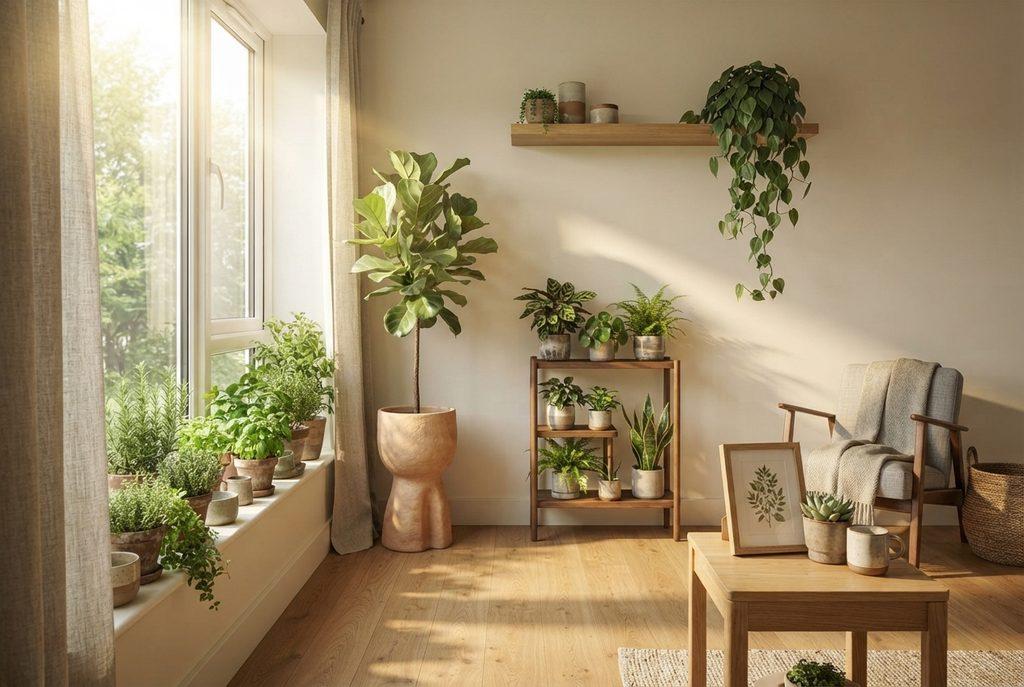
One of the most overlooked gardening opportunities in a small home is the windowsill.
Instead of leaving it empty or using it only for decorative objects, transform it into a miniature garden filled with carefully selected plants.
A sunny kitchen windowsill can accommodate small herb pots containing basil, mint, parsley, or thyme. In a living room, attractive foliage plants can create a peaceful green display.
For a more interesting arrangement, combine plants of different heights, textures, and leaf shapes. Use matching terracotta pots, small ceramic containers, or recycled glass jars with appropriate drainage arrangements.
A clever space-saving tip: Arrange smaller plants on a narrow tiered stand to create additional planting levels without occupying more windowsill length.
Remember to choose plants according to the amount of sunlight your particular window receives.
2. Create a Vertical Garden on an Empty Wall
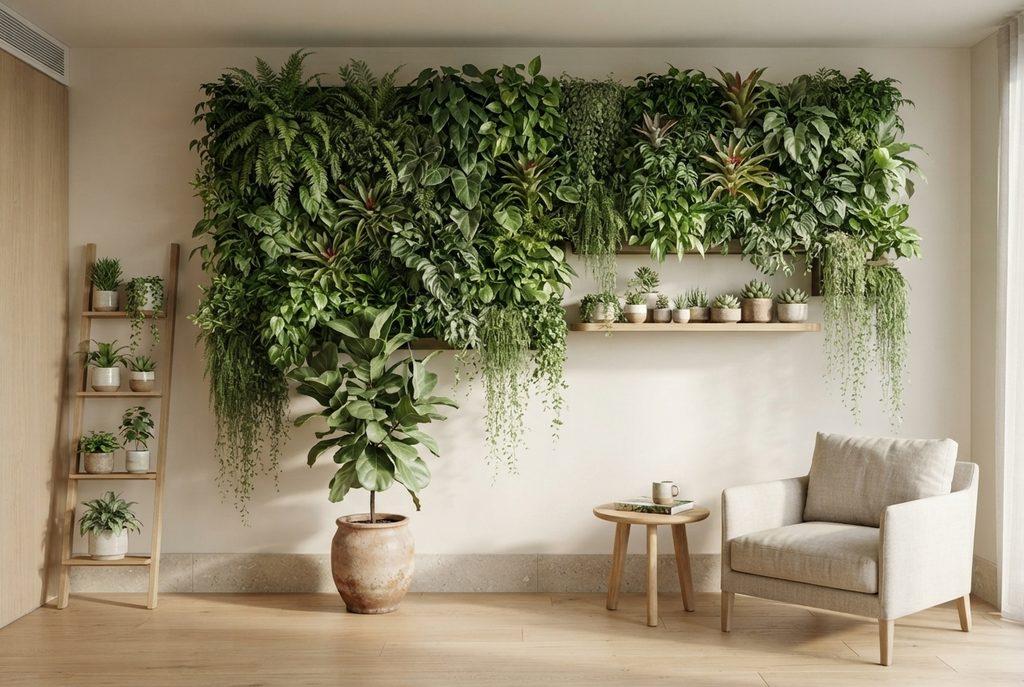
When floor space is limited, look upwards.
Vertical gardening is one of the most effective ways to introduce substantial greenery into a compact home without filling every available surface with plant pots.
An unused kitchen wall, a sheltered balcony wall, or an empty corner can become a beautiful living display.
Consider:
– Wall-mounted planters for trailing foliage.
– Freestanding vertical plant stands.
– Hanging pocket planters.
– Narrow shelving arrangements.
– Modular planters that can be rearranged as your collection grows.
For a softer appearance, combine plants with different leaf shapes and trailing habits.
If you rent your home, choose freestanding structures or removable hanging solutions that don’t require permanent alterations.
The beautiful detail: A vertical garden can become a natural focal point, making a plain wall feel like a carefully designed feature.
3. Give an Unused Corner a Garden Makeover
Every small home seems to have that one awkward corner that never quite serves a purpose.
Rather than filling it with another storage basket or decorative object, consider turning it into a miniature indoor garden.
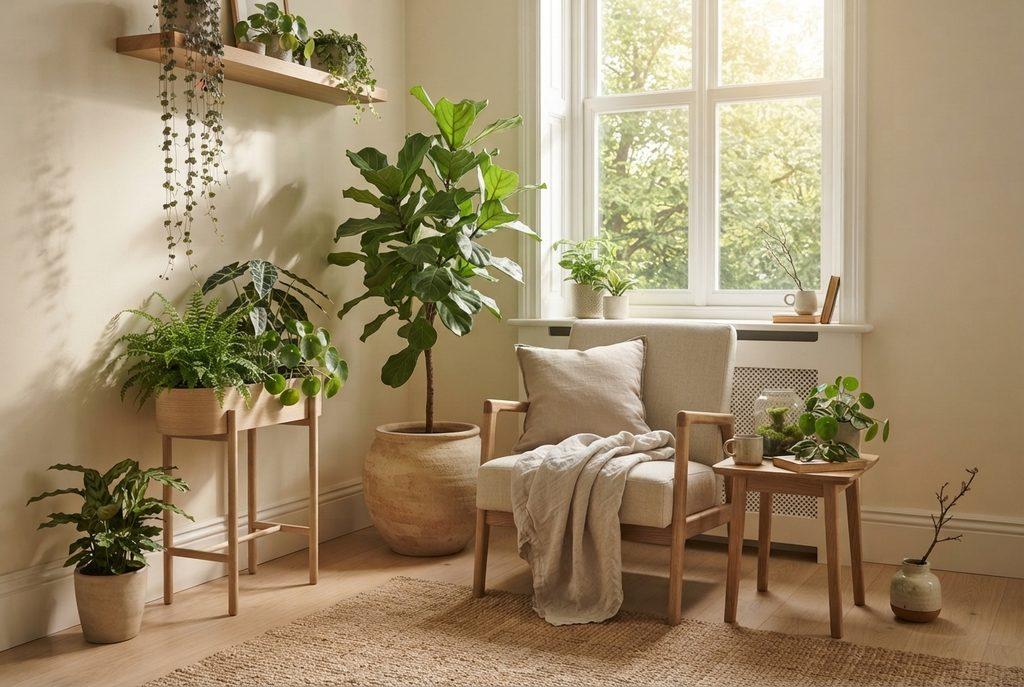
Start with one taller statement plant, then introduce two or three smaller plants at different heights.
A narrow plant ladder, tiered stand, or compact wooden shelving unit can help you build an attractive arrangement without spreading plants across the floor.
For a particularly beautiful effect, combine:
– One tall architectural plant.
– A medium-sized leafy plant.
– A small tabletop plant.
– A trailing plant positioned on the upper shelf.
Choose plants with compatible light and watering requirements.
The result is a little green sanctuary that makes an otherwise forgotten corner feel intentional.
4. Build a Tiny Kitchen Herb Garden
A kitchen garden doesn’t have to be an outdoor vegetable patch.
Even a small kitchen can accommodate a collection of useful herbs, bringing greenery and fresh ingredients closer to your cooking space.
Consider growing:
– Basil for sauces and salads.
– Mint for drinks and cooking.
– Parsley for everyday meals.
– Chives for garnishing.
– Thyme for soups and roasted dishes.
A narrow shelf near a bright window can hold several small containers. Alternatively, use a compact countertop planter if you have sufficient working space.
Avoid placing herbs where they will be exposed to excessive heat, steam, or inadequate light.
A hidden treasure: A small herb garden can be both decorative and functional. It turns ordinary kitchen greenery into something you can actually use.
5. Transform a Narrow Balcony into a Green Retreat
A tiny balcony can become one of the most beautiful areas of a compact home.
The trick is to design vertically and preserve enough open floor space to move comfortably.
Instead of placing numerous large pots on the ground, combine railing planters, narrow plant stands, and hanging containers where permitted.
For a layered garden effect, consider:
– Compact flowering plants.
– Trailing foliage.
– Small ornamental grasses.
– Culinary herbs.
– A few appropriately sized container plants.
Add a small folding chair or stool if space allows. A simple outdoor mat and a weather-resistant cushion can complete the look.
Before adding balcony planters, check building rules, weight limits, and secure mounting requirements.
Even a narrow balcony can become a lovely place to enjoy a quiet morning surrounded by greenery.
6. Create a Miniature Garden on a Floating Shelf
Floating shelves are usually associated with books, photographs, and decorative objects, but they can also accommodate carefully arranged plants.
A small shelf can support a miniature collection of greenery without taking up valuable furniture or floor space.
Choose lightweight pots and plants suited to the available light.
A beautiful arrangement might include a small upright plant, a compact succulent, and a trailing plant that softens the edge of the shelf.
For a coordinated appearance, use containers in complementary colours such as warm white, terracotta, muted green, and natural stone.
Make sure the shelf is securely installed and suitable for the combined weight of the containers and their contents.
7. Bring Nature into the Bathroom
Bathrooms are often overlooked when planning a small indoor garden.
However, some bathrooms offer suitable humidity and indirect light for plants that enjoy these conditions.
Depending on the available light and ventilation, consider plants such as:
– Boston fern.
– Certain pothos varieties.
– Spider plants.
– Calathea varieties.
A small plant on a shelf, a hanging planter, or a narrow bathroom ledge can introduce a refreshing natural element.
If your bathroom has no natural light, don’t assume humidity alone will keep plants healthy. Consider suitable grow lighting or choose another location.
Keep plants away from areas where they may be knocked over or exposed to cleaning products.
8. Design a Miniature Terrarium
One of the most charming ways to enjoy a garden in a tiny home is through a miniature landscape inside a glass container.
A terrarium can bring together mosses, miniature plants, stones, and natural decorative elements in a surprisingly small footprint.
It can sit on a desk, coffee table, bookshelf, or bedside surface.
There are two main styles:
Closed terrariums: These create a humid environment suitable for selected tropical plants and mosses.
Open terrariums: These are better suited to plants that prefer drier conditions, such as many succulents and cacti.
The important detail is selecting plants that thrive in the same environment rather than combining beautiful plants with incompatible needs.
A thoughtfully designed terrarium can feel like a tiny landscape captured inside a glass world.
9. Make Use of Hanging Planters
When every tabletop and floor surface matters, hanging planters offer another opportunity to introduce greenery.
They are particularly useful near windows, in suitable corners, and on covered balconies.
Try combining:
– Macramé hanging planters.
– Simple ceramic hanging pots.
– Lightweight woven baskets with suitable plant liners.
– Wall-mounted hanging arrangements.
Trailing plants can create a beautiful cascading effect, softening hard edges and introducing movement into the room.
For rental homes, explore removable or freestanding hanging solutions rather than drilling into ceilings without permission.
Always check the weight capacity of the hanging support and keep plants away from walkways.
10. Turn a Small Dining Table into a Living Garden Display
A small dining table can accommodate a beautiful natural centrepiece without becoming crowded.
Instead of a large floral arrangement, consider a shallow decorative tray containing two or three miniature plants.
A small fern, a compact foliage plant, and a decorative pot can create a fresh, understated arrangement.
For an especially elegant effect, choose containers that complement your dining furniture.
Keep the arrangement low enough that it doesn’t interfere with conversation or take up too much usable table space.
This is an easy way to bring nature into a room without introducing another piece of furniture.
11. Create a Garden on a Narrow Ladder Shelf
A narrow ladder shelf can become an entire miniature garden in a surprisingly small footprint.
Its stepped design allows you to display plants at different heights, creating depth without requiring a wide shelving unit.
Use the lower shelves for heavier containers and the upper shelves for smaller, lighter plants.
You can also combine greenery with a few natural decorative elements, such as wooden objects, small stones, and neutral ceramic pots.
For the most harmonious arrangement, avoid overcrowding every shelf. Allow some empty space so that individual plants remain visible.
This is particularly effective in studio apartments where the same room serves several purposes.
12. Introduce a Miniature Garden beside Your Work Desk
A workspace can feel more inviting with a little greenery.
Rather than placing numerous pots around your desk, choose one or two compact plants that suit the available light.
A small foliage plant, a miniature succulent arrangement, or a compact herb pot can introduce a natural touch without taking over your working surface.
If desk space is particularly limited, consider a small freestanding shelf positioned nearby.
The idea is to create a pleasant visual connection with nature while keeping your workspace organised and functional.
13. Create a Recycled Container Garden
Beautiful gardening doesn’t always require expensive pots and accessories.
A little creativity can turn suitable household containers into attractive plant displays.
Consider repurposing:
– Small ceramic bowls.
– Wooden crates.
– Tin containers.
– Old teacups.
– Glass vessels.
– Woven baskets with waterproof liners.
The most important consideration is drainage and plant suitability.
Containers without drainage holes require careful watering or an appropriate inner planting pot to prevent waterlogging.
For a cohesive appearance, group containers with similar colours or finishes rather than using too many unrelated styles.
This is a lovely way to create a personalised garden while making use of items you already own.
14. Design a Tiny Garden Using a Plant Stand
Sometimes the simplest solution is the most beautiful.
A compact plant stand can gather several plants into one organised display, making it easier to maintain a small collection without scattering containers throughout the home.
Choose a slim design that fits beside a sofa, near a window, or in an unused corner.
Consider combining plants with different shapes and heights while ensuring each receives the appropriate amount of light.
A wooden or metal stand can also complement your existing home decor.
For renters, freestanding plant stands are especially useful because they can be moved when rearranging furniture or changing homes.
15. Create a Miniature Outdoor Garden on a Window-Side Ledge
If your home has an exterior windowsill or a suitable sheltered ledge, you may be able to create a tiny outdoor garden.
Small containers can accommodate flowering plants, compact herbs, or seasonal greenery.
Choose varieties appropriate for your climate, sun exposure, and wind conditions.
Before placing anything outside, check building regulations, ledge stability, and the risk of containers falling.
A small collection of thoughtfully selected plants can transform an ordinary window into a beautiful green feature.
How to Make a Small Garden Look Beautiful Without Creating Clutter
The secret to a successful small-space garden is not how many plants you can fit into a room. It is how thoughtfully you arrange them.
Here are a few design principles worth remembering.
1. Choose a consistent container style.
Use two or three complementary finishes rather than a collection of unrelated pots. Terracotta, natural wood, and neutral ceramics work particularly well together.
2. Mix plant heights.
Combine upright, compact, and trailing plants to create visual interest without requiring additional floor space.
3. Respect natural light.
Before buying plants, observe how much sunlight each area receives. Match plants to their environment rather than forcing them into unsuitable locations.
4. Leave room to breathe.
A few well-positioned plants can be more effective than filling every available surface.
5. Think beyond the floor.
Windowsills, shelves, walls, hanging spaces, and narrow corners all offer opportunities.
6. Choose plants you can realistically maintain.
Consider your watering routine, available light, ventilation, and travel schedule before expanding your collection.
Small-Space Gardening: What to Avoid
A beautiful miniature garden should make your home more enjoyable, not create additional problems.
Avoid these common mistakes:
– Buying plants before assessing the available light.
– Overcrowding windowsills and shelves.
– Choosing containers without considering drainage.
– Placing heavy pots on unsuitable shelves.
– Using hanging arrangements that obstruct movement.
– Combining plants with very different watering requirements.
– Ignoring ventilation and moisture issues.
– Choosing large plants that overwhelm the available space.
A smaller, carefully planned collection is often easier to maintain and more visually appealing.
Final Thoughts: Your Small Home Can Still Have a Garden
A garden is not defined by its size. It is defined by the life, beauty, and sense of connection with nature that it brings into a space.
Whether you transform an ordinary windowsill, create a miniature terrarium, introduce a vertical garden, or fill an overlooked corner with greenery, there are countless ways to make a small home feel more alive.
Start with one little space. Choose a few suitable plants, experiment with their arrangement, and gradually build a green corner that feels like yours.
You may discover that the most beautiful garden you have ever created doesn’t need a backyard at all.
The Clever Space Edit – Less clutter. More room to live.