Category: Natural & Sustainable Living

Thoughtful choices for a more resourceful home.

  • Natural Bathroom Cleaning Hacks: Say Goodbye to Harsh Odors and Grime

    Natural Bathroom Cleaning Hacks: Say Goodbye to Harsh Odors and Grime

    A bathroom can look clean at first glance and still have areas that need attention. Soap residue collects around taps, moisture settles into corners, shower screens develop cloudy marks, and unpleasant smells sometimes linger even after the floor has been washed.

    The secret to maintaining a fresher bathroom isn’t necessarily buying more cleaning products. It is understanding where dirt accumulates, choosing suitable cleaning methods, and developing small habits that prevent everyday problems from becoming bigger jobs.

    Whether you have a compact apartment bathroom, a shared family bathroom, or a rental with limited storage, these practical natural bathroom cleaning hacks can help you maintain a cleaner, more comfortable space.

    1. Start with the Forgotten Bathroom Zones

    One reason bathrooms become difficult to maintain is that cleaning often concentrates on the obvious areas: the toilet, sink, and floor.

    However, several less noticeable places deserve regular attention.

    Check:
    – The underside of the sink and tap fittings.
    – The edges of the shower screen.
    – The base of the toilet.
    – The corners behind the bathroom door.
    – The handles of cupboards and drawers.
    – The ventilation grille.
    – The joints around fixtures.
    – The area beneath bathroom storage baskets.

    The Clever Space method: Instead of cleaning the entire bathroom randomly, divide it into zones. Complete one zone before moving to the next. This reduces forgotten areas and makes maintenance easier.

    Illustration 1: A beautiful editorial photograph of a bright bathroom with small numbered callouts highlighting overlooked cleaning zones.

    2. Remove Soap Residue from Shower Areas

    Soap residue can accumulate on shower screens, tiles, and taps. Combined with minerals in hard water, it can create cloudy deposits that make surfaces look dull.

    For compatible surfaces:
    1. Begin by rinsing away loose dirt.
    2. Apply a suitable bathroom cleaner according to its instructions.
    3. Allow the recommended contact time.
    4. Use a soft cloth or non-scratch sponge.
    5. Rinse thoroughly.
    6. Dry the surface with a clean microfibre cloth.

    For suitable glass surfaces, an appropriately diluted vinegar solution may help with mineral deposits. However, do not use vinegar on natural stone, sensitive finishes, or surfaces whose manufacturer advises against acidic cleaners.

    3. Give Bathroom Drains Some Attention

    Bathroom drains collect hair, soap residue, and other everyday debris. When these materials accumulate, water may drain slowly and unpleasant smells can develop.

    A simple maintenance routine is more useful than relying on homemade mixtures.
    – Remove visible hair and debris using a suitable drain-cleaning tool.
    – Clean the drain cover separately.
    – Rinse the surrounding area.
    – Follow the drain manufacturer’s maintenance instructions.
    – If water continues to drain slowly, investigate the blockage rather than repeatedly pouring mixtures into the drain.

    Avoid mixing commercial drain cleaners with vinegar, bleach, or other cleaning products. Never put your hands into a drain to retrieve debris.

    4. Keep Bathroom Mirrors Clear

    A mirror covered in water spots and fingerprints can make an otherwise tidy bathroom look neglected.

    For routine mirror maintenance:
    1. Remove loose dust with a dry microfibre cloth.
    2. Use a glass cleaner suitable for mirrors.
    3. Apply the cleaner to the cloth rather than soaking the mirror edges.
    4. Wipe gently.
    5. Buff with a clean, dry cloth.

    Avoid allowing excess liquid to run behind the mirror, where it may damage its backing.

    5. Prevent Persistent Bathroom Odors

    A bathroom that smells unpleasant may have an underlying moisture, drainage, or ventilation problem.

    Rather than covering the smell with fragrance, identify its source.

    Check the following:

    Damp towels: Towels that remain wet for long periods can develop unpleasant odors. Hang them fully open and allow them to dry between uses.

    Wet bath mats: Wash bath mats regularly according to their care labels and allow them to dry completely.

    Bathroom bins: Empty bins frequently, clean them when necessary, and ensure they dry before replacing liners.

    Drains: Persistent smells may indicate a drainage or plumbing issue.

    Ventilation: Use an exhaust fan or open a suitable window when possible, especially after showers.

    If an odor resembles sewage or persists despite routine cleaning, seek help from a qualified plumber. A damaged seal, blocked vent, or plumbing fault may be responsible.

    Illustration 2: An airy bathroom with an open window, neatly hung towels, a dry bath mat, and fresh greenery, communicating ventilation and moisture control.

    6. Deal with Hard-Water Marks Carefully

    Hard water contains dissolved minerals that can leave white deposits on taps, showerheads, and glass.

    The correct cleaning method depends on the material.

    For suitable chrome fixtures and compatible glass:
    – Use a manufacturer-approved descaling cleaner or appropriately diluted vinegar.
    – Follow the recommended contact time.
    – Rinse thoroughly.
    – Dry with a soft cloth.

    Do not use acidic cleaners on marble, limestone, travertine, or other acid-sensitive materials.

    For a showerhead, check whether the manufacturer permits soaking or recommends another descaling method.

    7. Clean Grout Without Damaging It

    Grout can collect dirt and discolour over time, particularly in areas exposed to frequent moisture.

    A careful approach is best:
    1. Identify the grout type and check the tile manufacturer’s cleaning recommendations.
    2. Use a suitable grout cleaner.
    3. Apply it according to the label.
    4. Gently scrub with a soft grout brush.
    5. Rinse and dry the area.

    Avoid aggressive scrubbing that could damage grout or surrounding finishes.

    If grout remains persistently discoloured, damaged, or mouldy, professional assessment may be necessary.

    8. Establish a Five-Minute Bathroom Maintenance Habit

    You do not need a long cleaning session every day to keep your bathroom manageable.

    Try this short routine:
    – Wipe the sink after use.
    – Hang towels properly.
    – Remove visible hair from suitable surfaces.
    – Put toiletries back in their designated places.
    – Keep the floor as dry as practical.
    – Check that the bathroom has adequate ventilation.

    These small actions reduce the amount of work required during the weekly clean.

    9. Create a Bathroom Cleaning Basket

    A compact cleaning basket can make bathroom maintenance easier, particularly in homes with limited cupboard space.

    Consider keeping:
    – Two dedicated microfibre cloths.
    – A soft cleaning brush.
    – A suitable bathroom cleaner.
    – A glass-cleaning cloth.
    – A small rubbish-bag supply.
    – Cleaning gloves where appropriate.

    Store cleaning products in their original containers and follow their safety and storage instructions. Keep them away from children and pets.

    A Simple Bathroom Cleaning Schedule

    Frequency Cleaning task
    Daily Wipe sink, hang towels, tidy toiletries
    Twice weekly Clean toilet and frequently touched surfaces
    Weekly Clean shower, bath, mirror, and floor
    Monthly Check drains, ventilation, and overlooked corners
    As needed Address limescale, grout, and plumbing issues

    Adjust the schedule according to household size and bathroom use.

    Frequently Asked Questions

    What is the best natural way to clean a bathroom?
    Start with suitable reusable cloths, a mild cleaner, and a soft brush. Choose products according to the material being cleaned rather than assuming one homemade solution works everywhere.

    How can I make my bathroom smell fresh naturally?
    Improve ventilation, dry towels and bath mats properly, empty the bin, and investigate persistent drain odours. Removing the source of the smell is more effective than covering it with fragrance.

    Can vinegar clean bathroom tiles?
    It depends on the tile material. Vinegar may be suitable for some ceramic surfaces, but it can damage natural stone and certain finishes. Always check manufacturer recommendations.

    How often should I clean my bathroom?
    Light maintenance can be done daily, while more thorough cleaning is usually needed weekly. Adjust the frequency according to usage and moisture levels.

    How do I keep a small bathroom clean?
    Use a compact cleaning basket, return toiletries to designated places, wipe surfaces regularly, and avoid storing unnecessary products.

    Final Thoughts

    A fresher bathroom is often the result of consistent maintenance rather than an overflowing collection of cleaning products.

    Pay attention to forgotten corners, manage moisture, clean suitable surfaces carefully, and address persistent odors at their source.

    With a few practical habits, even a small bathroom can feel more comfortable, organised, and inviting.

    The Clever Space Edit – Less clutter. More room to live.

    Related reading: 7 Essential Natural Cleaning Supplies for a Greener Home; DIY Natural Bathroom Cleaning: Simple Homemade Solutions That Work.

  • 7 Essential Natural Cleaning Supplies for a Greener Home

    Creating a cleaner home doesn’t have to mean filling your cupboards with dozens of specialised products. Sometimes, the most practical approach is to start with a few versatile supplies that help you clean everyday surfaces, reduce disposable waste and keep your household routine simple.

    Whether you live in a small apartment, rent your home or simply want to make more thoughtful household choices, building a basic collection of natural cleaning supplies can be a useful first step.

    The goal isn’t to replace every cleaning product overnight. It’s to understand what you actually need, choose products carefully and avoid buying items that perform the same job.

    Here are seven practical essentials to consider when putting together a greener home cleaning kit.

    1. Microfibre Cleaning Cloths

    Microfibre cloths are among the most versatile items in a household cleaning kit. They can be used for dusting, wiping surfaces, cleaning mirrors and removing everyday marks.

    Unlike disposable paper towels, reusable cloths can be washed and used repeatedly.

    Why they’re useful:

    • Suitable for many everyday cleaning tasks.
    • Help reduce reliance on disposable wipes and paper towels.
    • Available in different sizes and textures.
    • Can often be used with water for light cleaning.

    Clever Space tip: Keep separate cloths for kitchen surfaces, bathrooms and general dusting. Wash them regularly according to their care instructions.

    2. Baking Soda

    Baking soda is a familiar household ingredient that can help with certain cleaning jobs.

    Its mild abrasive properties make it useful for tackling some surface marks and residue when used appropriately.

    Where it can be useful:

    • Cleaning suitable kitchen sinks.
    • Freshening washable rubbish bins.
    • Removing some everyday marks from compatible surfaces.
    • Helping clean certain household containers.

    How to use it: Sprinkle a small amount onto a damp cloth or compatible surface, gently work it over the area and rinse thoroughly.

    Avoid using it on delicate finishes or surfaces that scratch easily. Test an inconspicuous area first.

    3. White Vinegar

    White vinegar is commonly used in household cleaning because its acidity can help dissolve some mineral deposits and soap residue.

    It can be useful for selected jobs, but it isn’t suitable for every surface.

    Potential uses include:

    • Removing some hard-water deposits from compatible fixtures.
    • Cleaning certain glass surfaces.
    • Helping with selected laundry-related odours.

    Important: Do not use vinegar on natural stone such as marble or limestone. Avoid using it on surfaces whose manufacturers advise against acidic cleaners, including some wood finishes.

    Vinegar is not a disinfectant and should not be relied upon to eliminate harmful germs.

    4. Mild Dishwashing Liquid

    A small bottle of ordinary dishwashing liquid can be one of the most useful products in a basic cleaning cupboard.

    Its cleaning agents help loosen grease and everyday food residue.

    Useful applications:

    • Washing dishes.
    • Cleaning washable kitchen surfaces.
    • Removing grease from compatible items.
    • Washing certain household tools and accessories.

    Choose a product with clear instructions and a formula suited to your household needs.

    A little often goes a long way. Using more product than necessary doesn’t automatically produce a better cleaning result.

    5. A Soft-Bristle Scrubbing Brush

    A reusable scrubbing brush can make cleaning awkward corners and textured surfaces easier.

    Look for a comfortable handle, durable bristles and a size that fits your storage space.

    Where it can help:

    • Cleaning grout on compatible tiled surfaces.
    • Scrubbing suitable sink surfaces.
    • Cleaning washable household tools.
    • Reaching corners and edges that cloths may miss.

    Choose the brush according to the surface. Hard bristles can scratch delicate materials, so always check compatibility first.

    6. Reusable Spray Bottles

    Reusable spray bottles can help organise your cleaning supplies and reduce the need to purchase new disposable containers.

    They are particularly useful when you use ready-made cleaning products that are suitable for transfer into another container.

    A few practical considerations:

    • Choose a durable, refillable bottle.
    • Label the contents clearly.
    • Follow the original product’s storage and transfer instructions.
    • Never reuse food or drink containers for cleaning products.
    • Keep all cleaning supplies securely stored and away from children and pets.

    Do not combine different cleaning products in a spray bottle. A mixture that looks harmless may still produce an unsafe reaction.

    7. A Reusable Mop and Cleaning Bucket

    For households with tiled or other washable floors, a reusable mop and bucket can make regular floor cleaning easier.

    Instead of purchasing disposable floor-cleaning pads repeatedly, choose a mop with a washable head that can be maintained and reused.

    What to look for:

    • A removable, washable mop head.
    • A compact design for smaller homes.
    • A handle that is comfortable to use.
    • Materials that are durable and easy to maintain.

    Always use a floor-cleaning product suitable for your flooring. Some wood, laminate and stone floors require specific care.

    How to Build a Natural Cleaning Kit Without Overspending

    You don’t need to purchase all seven supplies at once.

    Start by checking what you already own. You may already have reusable cloths, a dishwashing liquid and a suitable brush.

    Use this simple approach:

    Step 1: Identify your regular cleaning tasks.

    Think about the surfaces you clean most frequently. A small apartment with tiled floors may need a different selection of tools from a home with extensive carpeting.

    Step 2: Purchase versatile essentials first.

    Prioritise reusable cloths, a suitable cleaning liquid and a brush before buying specialised products.

    Step 3: Choose refillable options where practical.

    Consider products sold in refill packs or larger containers when they offer good value and can be stored safely.

    Step 4: Avoid duplicate products.

    Before buying another cleaner, check whether you already own something suitable for that particular task.

    Step 5: Store everything in one organised place.

    A small basket, cupboard shelf or storage caddy can keep your supplies together without occupying valuable space.

    What About Products Marketed as Natural or Eco-Friendly?

    One important thing to remember is that the words natural, green and eco-friendly do not automatically guarantee that a cleaning product is harmless.

    Look beyond the marketing on the front of the packaging.

    Consider:

    • The ingredient information available.
    • Product warnings and instructions.
    • Whether the packaging can be refilled or recycled locally.
    • Whether the product is suitable for the intended surface.
    • Whether an independent certification is available.

    For readers who want additional guidance, the US Environmental Protection Agency’s Safer Choice programme provides information about products assessed against its ingredient and performance standards.

    Cleaning Safety: What You Should Never Mix

    Homemade cleaning recipes are popular, but combining household ingredients without understanding their properties can be dangerous.

    Keep these precautions in mind:

    • Never mix bleach with vinegar.
    • Never mix bleach with ammonia-containing products.
    • Never combine different commercial cleaners.
    • Do not assume that combining baking soda and vinegar produces a more powerful cleaner.
    • Follow product labels and manufacturer instructions.
    • Ventilate rooms appropriately when cleaning.

    Baking soda and vinegar react with each other and largely neutralise one another. They are generally more useful for appropriate separate cleaning tasks than as a universal combined cleaner.

    A Simple Weekly Cleaning Kit Checklist

    Use this checklist when organising your household supplies:

    • Reusable microfibre cloths
    • Baking soda
    • White vinegar for compatible surfaces
    • Mild dishwashing liquid
    • Soft-bristle cleaning brush
    • Reusable, clearly labelled spray bottle
    • Reusable mop and bucket

    You can save this list and use it when shopping or organising your cleaning cupboard.

    Frequently Asked Questions

    What are the most important natural cleaning supplies to have at home?

    Start with reusable cloths, a suitable dishwashing liquid, a soft cleaning brush and a few versatile supplies such as baking soda. Add other items according to the surfaces and cleaning tasks in your home.

    Can vinegar be used to clean everything?

    No. Vinegar is acidic and can damage natural stone and certain finishes. It is also not a disinfectant. Always check surface-care instructions before using it.

    Are natural cleaning products safer than commercial cleaners?

    Not necessarily. Safety depends on the ingredients, concentration, exposure and how the product is used. Read labels rather than relying on marketing claims.

    How can I make my cleaning routine more environmentally conscious?

    Use reusable tools, avoid unnecessary purchases, select refillable products where practical and follow recommended product quantities. Reducing waste is often a useful place to start.

    Do I need expensive eco-friendly cleaning products?

    No. You can begin by making better use of suitable supplies you already own. When purchasing new products, compare their ingredients, packaging, performance and value.

    Final Thoughts: Start Small and Clean Smarter

    A greener home doesn’t require a complete cupboard makeover or an expensive collection of specialised products.

    Start with versatile essentials, choose reusable tools, understand the surfaces in your home and buy only what you genuinely need.

    The best cleaning kit is one that fits your household, makes everyday tasks easier and doesn’t create unnecessary clutter.

    At The Clever Space Edit, we believe that thoughtful choices can make a home easier to maintain, more organised and more enjoyable to live in.

    Less clutter. More room to live.

  • Moving House Without a Mountain of Waste: A Smarter, Reusable Packing System for Renters

    Moving House Without a Mountain of Waste: A Smarter, Reusable Packing System for Renters

    Moving house should not mean filling your rubbish bin. Cardboard boxes, plastic wrapping, disposable tape and protective packaging are often purchased for a single day of use, but a more thoughtful approach is possible.

    With planning, many containers and protective materials already in your home can become part of a reusable moving system.

    1. Start with a container inventory

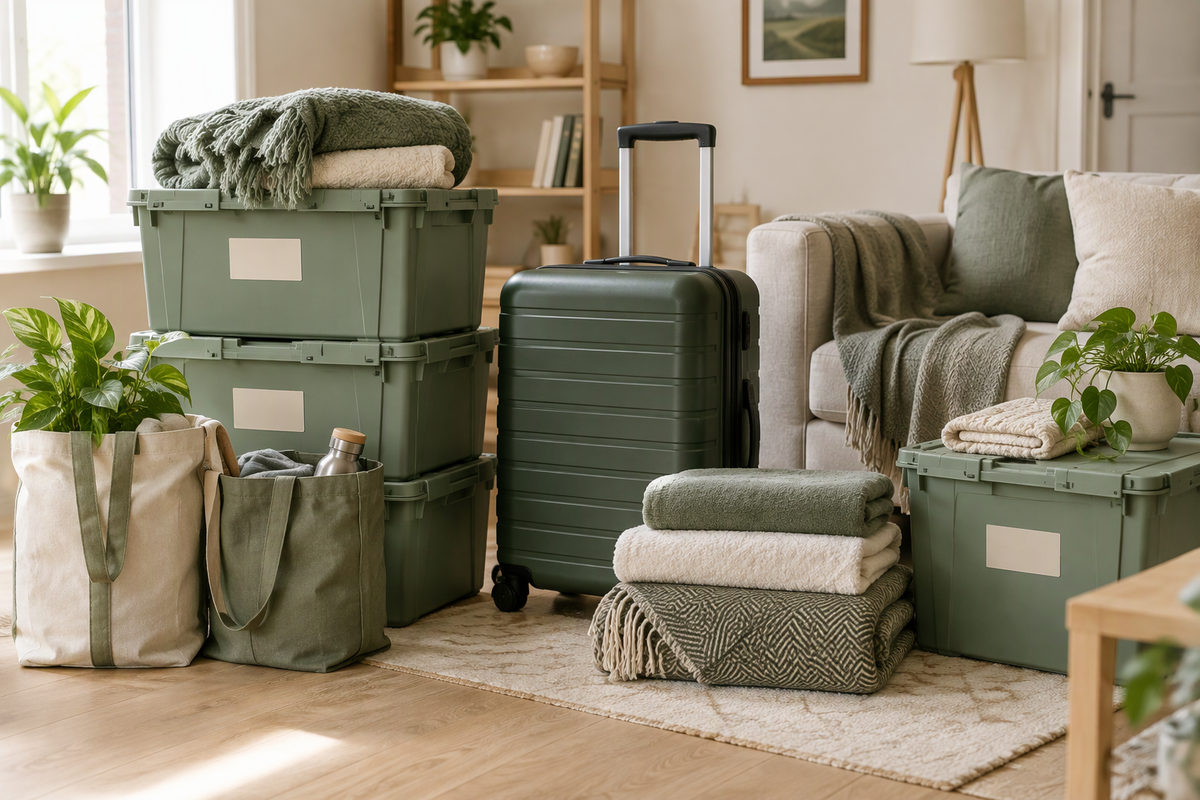
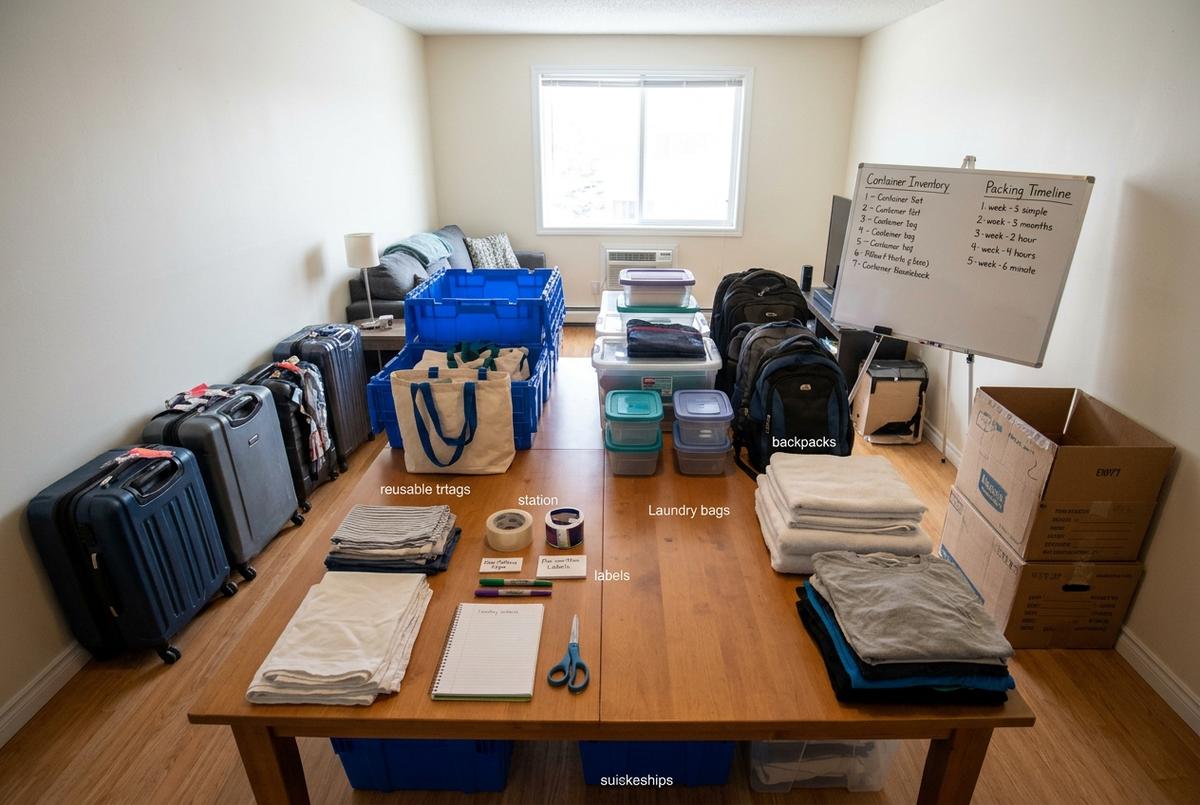
    Before ordering supplies, count your suitcases, reusable shopping bags, strong laundry bags, lidded containers, existing boxes, storage crates and durable backpacks. Assign each container a purpose and do not use weak or damaged containers for heavy items.

    Look at storage you already use throughout the home, including shelves beneath stairs and other overlooked areas. Knowing where your existing containers live makes it easier to pack without buying duplicates.

    2. Let household textiles do some protective work

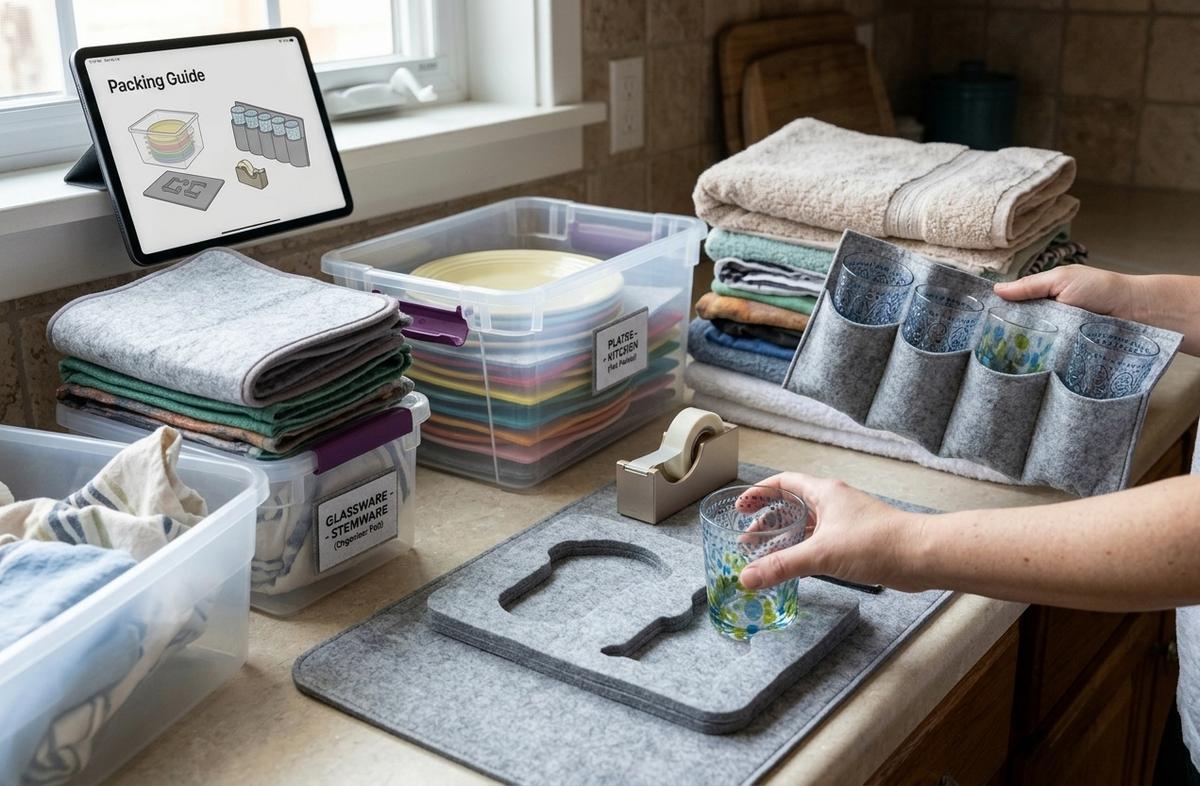
    Clean towels, pillowcases, sheets and suitable clothing can protect ordinary household belongings. Use appropriate specialist protection for delicate glassware, valuable electronics and fragile equipment.

    Keep bedding and other soft goods accessible until the final stage of the move. They can protect belongings during transport and remain useful as soon as you arrive.

    3. Create a reusable packing-material station

    Keep reusable containers, tape, labels, markers, protective materials, scissors and an inventory notebook together. A single station prevents unnecessary purchases and reduces searching.

    A kitchen island, sideboard or other open surface can serve as a temporary packing station. Choose a place with enough room to work, but keep food preparation areas clean and separate from packing materials.

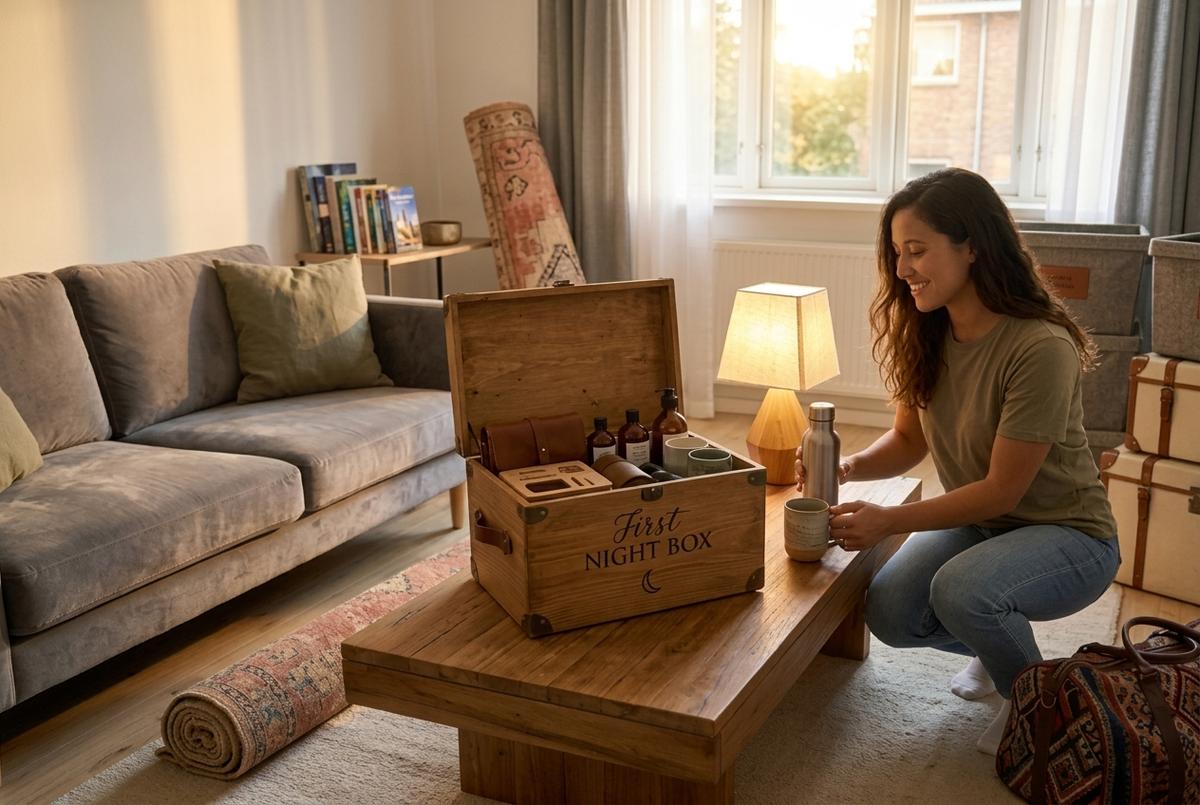
    4. Pack a first-night container

    Include toiletries, chargers, basic cleaning supplies, towels, a change of clothing, reusable cups, essential kitchen items and important documents kept separately and securely.

    Pack this container last, label it clearly and keep it accessible rather than burying it in the moving vehicle.

    5. Use a room-to-room packing map

    Give containers simple codes such as K1 for kitchen essentials or B1 for bedroom essentials, then record what each code contains. Avoid writing sensitive information or descriptions of valuable items on boxes visible to strangers.

    6. Sort items before they travel

    Use four categories: keep, repair, rehome, and recycle or dispose responsibly. Check receiving organisations’ requirements before donating, and do not treat donation centres as destinations for damaged or unusable goods.

    7. Plan the return journey

    Arrange the return of borrowed containers, identify where owned crates will live, and follow collection instructions for rented crates. Reusable products only deliver benefits when they are used repeatedly.

    8. Make unpacking part of the plan

    Unpack by priority, keep reusable materials together, return borrowed containers and separate materials according to local recycling requirements.

    Reusable moving checklist

    • Inventory existing bags, boxes and suitcases.
    • Identify items for repair, donation or recycling.
    • Prepare a packing station.
    • Gather clean household textiles.
    • Prepare first-night essentials.
    • Label containers clearly.
    • Arrange reusable-container returns.

    Frequently asked questions

    How can I move without buying cardboard boxes?

    Use suitable suitcases, strong bags, reusable containers and borrowed crates. You may still need additional packaging for fragile or heavy belongings.

    What can I use instead of bubble wrap?

    Clean towels, sheets and suitable clothing can protect ordinary household items. Delicate items may require specialist protective packaging.

    What should I unpack first?

    Prioritise bedding, toiletries, basic kitchen supplies, cleaning equipment, chargers and essential personal items.

    Moving house is an opportunity to decide not only what comes with you, but also how you want to live in your next space. Planning can make the move less chaotic, reduce spending and prevent useful materials becoming single-use waste.