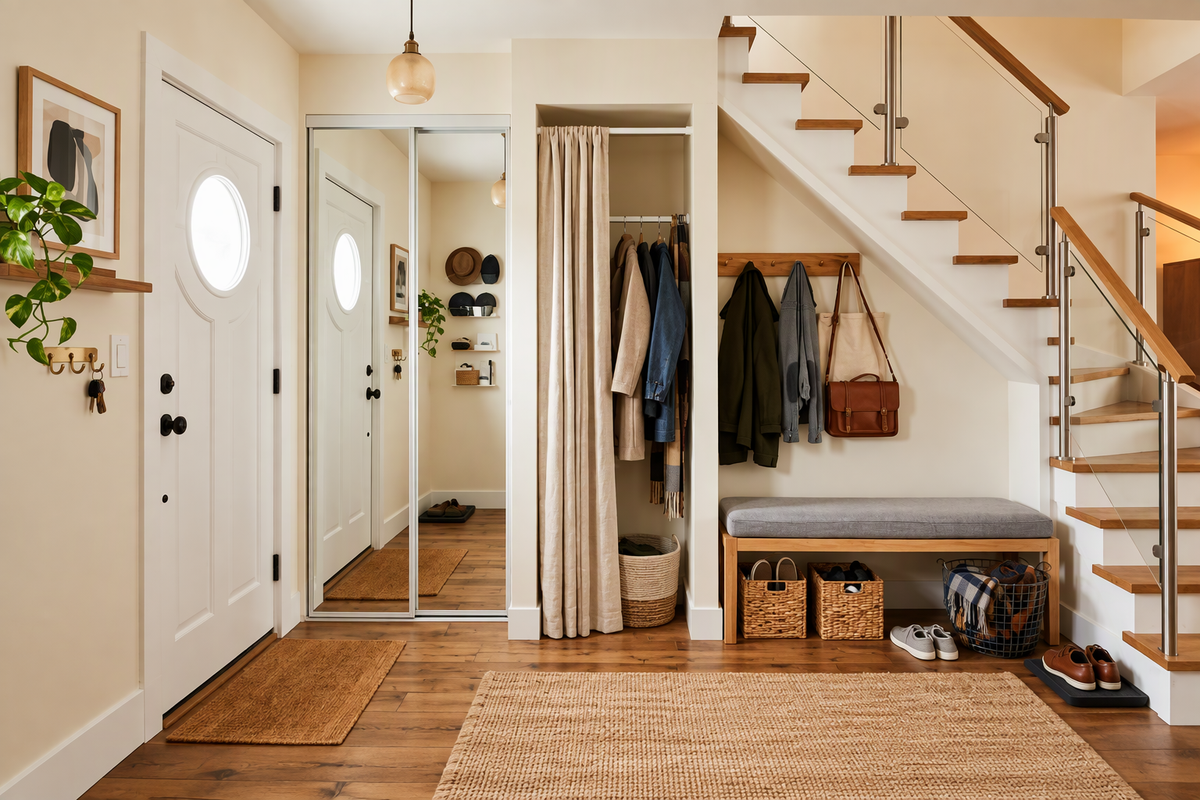
Have you ever bought something to solve a storage problem, only to discover that you have nowhere to put it? Sometimes the problem is not a lack of storage. It is that we have not noticed the spaces already available to us.
Look between your furniture, above your doors, at the narrow gaps that collect dust and at the back of a cupboard door. These spaces rarely attract attention, yet some can become surprisingly useful.
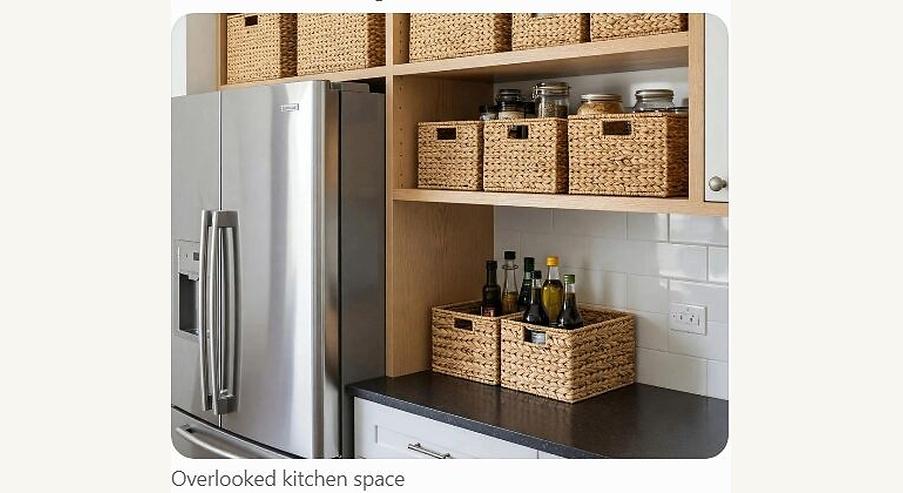
1. The gap between a refrigerator and the wall
If there is enough clearance, a slim freestanding trolley can hold lightweight kitchen supplies. You might also use the space for a narrow removable holder. Check the manufacturer’s ventilation and clearance requirements first, and never obstruct vents or the appliance door.
2. The back of cupboard doors
Removable hooks, small organisers or suitable over-door racks can hold measuring spoons, reusable shopping bags and cleaning cloths without using shelf space. Check the door clearance before adding anything.
3. The space above interior doors
Where ceiling height allows, a properly secured shelf can hold lightweight, infrequently used items such as spare cushions, seasonal decorations or reusable gift bags. Keep heavy objects away from overhead storage.
4. The back of a freestanding bookshelf
A stable freestanding bookshelf can divide a room into functional areas, such as a sleeping area and a work corner. Use furniture designed to stand independently and secure tall shelving against tipping.
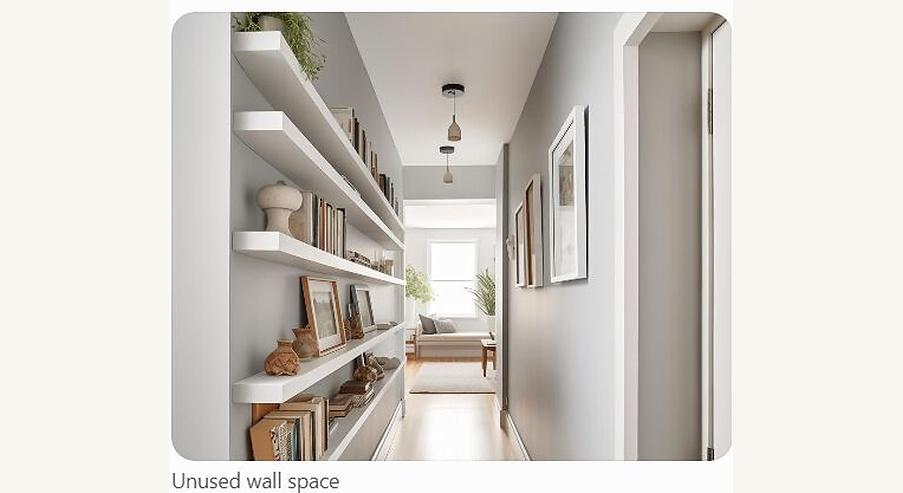
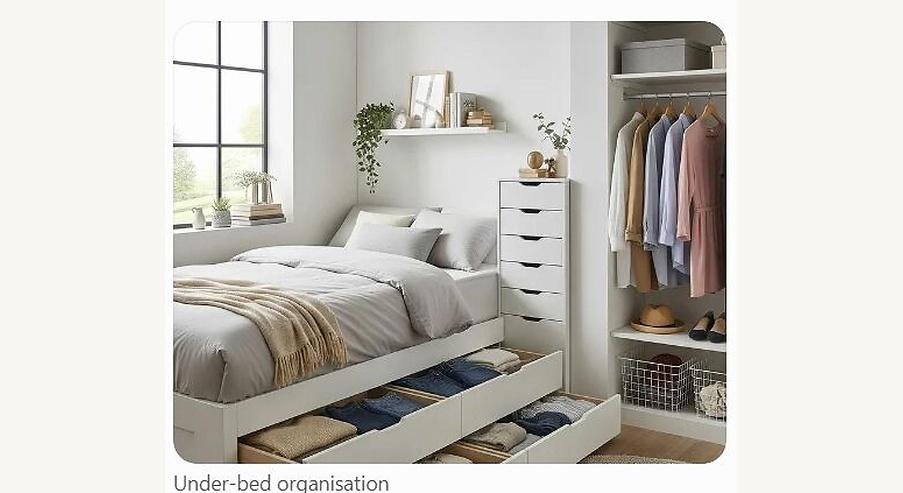
5. The space underneath furniture
Shallow containers, suitcases and protective fabric bags may fit beneath beds or sofas. Keep frequently needed items accessible. If retrieval becomes a daily struggle, the arrangement is not working.
6. The inside of a wardrobe door
Suitable hooks or removable organisers can hold scarves, belts, accessories and garment-care items, freeing the wardrobe rail and reducing the need for another storage unit.
7. The area beside a washing machine
A slim stable holder may store lightweight laundry accessories, but never interfere with hoses, ventilation, electrical connections or appliance servicing.
8. The space under a staircase
Depending on its size, this area could become a reading corner, shoe-maintenance station, paperwork area or collection point for reusable bags. Choose the solution that fixes a recurring household problem.
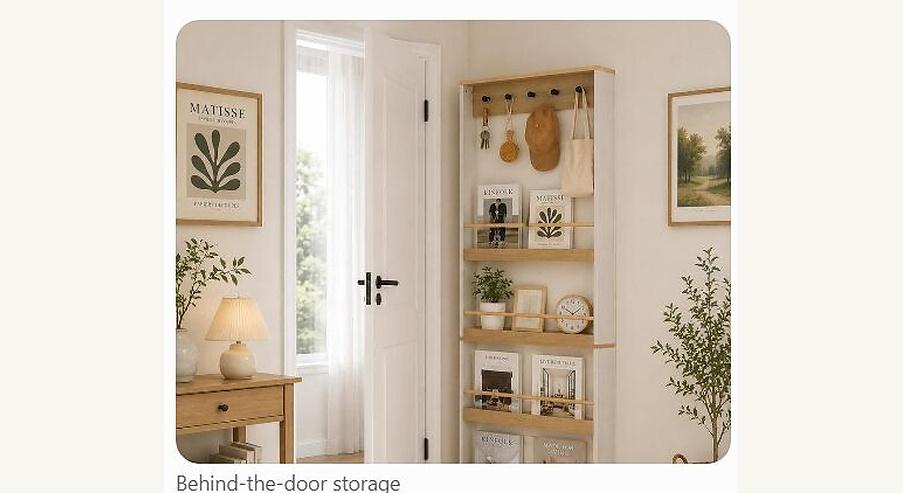
9. The space behind a room door
A small hook or suitable hanging organiser can hold items that otherwise end up on chairs or floors. Check that the door can open fully without damaging the wall or stored objects.
10. The corners beside beds
A narrow shelf can hold a book, reading glasses or a small lamp where a conventional bedside table makes movement difficult.
11. The space around windows
Carefully selected plants, decorative objects or a narrow shelf can use window areas, provided they do not block light, moisture control or window operation.
12. The space between two pieces of furniture
A slim trolley, narrow shelf or existing piece of furniture may fit an unused gap. Measure the width, depth and height twice before buying anything.
The overlooked-space audit
Choose one room and identify five spaces that currently serve no purpose. Ask what regularly creates clutter, whether the space could solve it, whether you can reuse something you already own, and whether access and safety would remain practical. Choose one improvement to implement.
Common mistakes to avoid
- Filling every empty space simply because it exists.
- Blocking ventilation around appliances.
- Installing unsecured overhead shelves.
- Storing heavy objects above frequently occupied areas.
- Buying organisers before measuring.
- Creating storage that makes everyday items harder to reach.
Frequently asked questions
How can I create more storage without buying furniture?
Start with cupboards, furniture backs, wardrobe doors and suitable under-furniture spaces. Reassigning existing household items can create useful storage without new purchases.
What are the best ideas for awkward spaces?
Slim furniture, removable hooks, properly installed shelves and repurposed containers can help, depending on the dimensions and purpose of the space.
How do I make a small apartment feel less crowded?
Reduce unnecessary items, keep frequently used belongings accessible and avoid filling every surface with storage.
Should I buy organisers before reorganising?
No. Assess what you own, measure available spaces and identify the specific problem first.
The most useful space in your home might be the one you have walked past every day without noticing. Before buying another cupboard, take a fresh look around.
Leave a Reply